 Follow
 @SuncoastTools

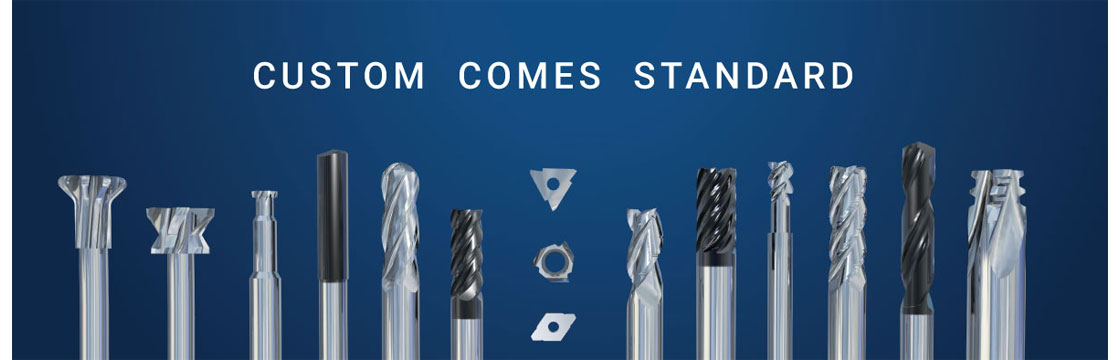

GWS Carbide Drills, Reamers & Countersinks
Compare CJT Koolcarb and Kooltwist coolant-fed drills, Durapoint non-coolant-fed drills, PAC reamers and carbide countersinks. Start with the hole diameter, working depth and coolant delivery, then check the finish and tolerance the drawing calls for.
Coolant-fed carbide drills
Koolcarb uses straight flutes. Kooltwist uses helical flutes. Both families deliver coolant through the tool. Check the drill’s working length and the coolant supply available at the spindle.
Solid carbide drills
Durapoint provides a non-coolant-fed option. Compare stub and jobber-length drills for the required depth and clearance. Spot drills and APERTURE 4xD drills have their own categories.
Reamers & countersinks
Carbide chucking and PAC reamers finish an existing hole to size. Countersinks produce the angled seat at the entry. Compare the reamer diameter or the countersink’s included angle with the print.
Check the finished hole as well as the drill size
A drilled hole, a reamed bore and a countersunk seat each have different tool requirements. For reaming, use the series guidance for the stock left after drilling. For a countersunk fastener, check both the seat diameter and included angle.
Holemaking questions
- Which GWS drills use through-tool coolant?
- Koolcarb straight-flute and Kooltwist helical-flute drills are listed as coolant-fed. Durapoint is the non-coolant-fed family.
- What should I compare on a reamer listing?
- Check nominal diameter, tolerance, flute style, cutting length and shank size. PAC and chucking reamers have separate listings so you can compare their designs.
- Where do I find drilling tools that also chamfer?
- The drill/mill category lists solid carbide tools with an included point angle. Verify that angle and the tool dimensions against the feature on the drawing.