 Follow
 @SuncoastTools
Follow
Follow @SuncoastTools



YG-1 Dream Drills, Carbide Drills & Hole Making Tools
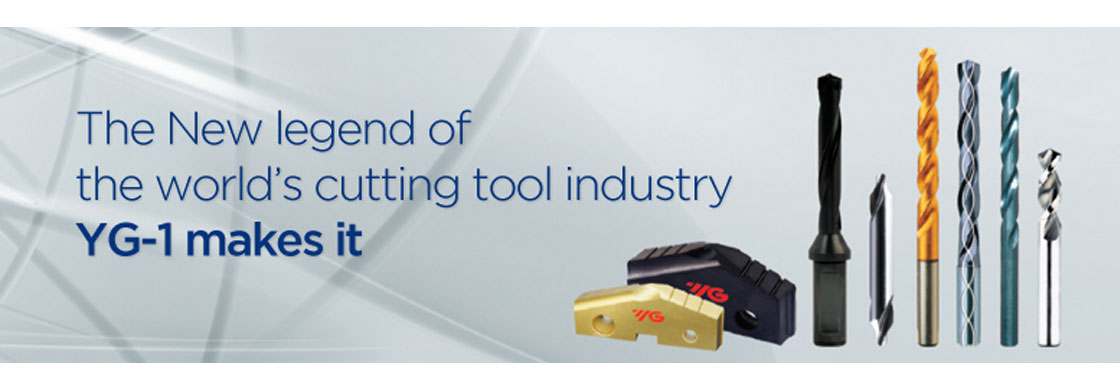
Shop YG-1 drills and hole making tools for starting, drilling and finishing holes. Compare carbide Dream Drills and BasiX drills with HSS and cobalt options in stub, jobber and extended lengths. The range also includes spotting drills, center drills, reamers and replaceable-tip drilling systems.
Carbide Dream Drills
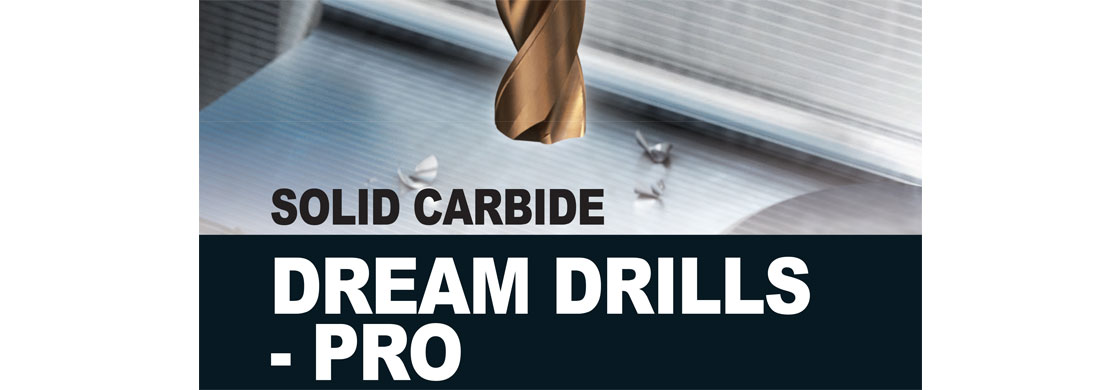
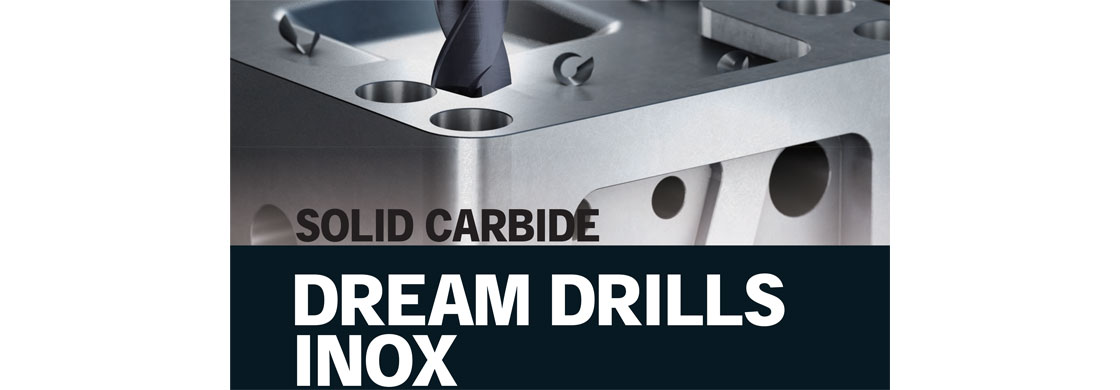
Dream Drills are organized by application, including GENERAL, PRO, INOX and ALU families. Select the material-specific series, then compare diameter, working depth and coolant-hole configuration. Individual tools within the range have different operating requirements.
BasiX Carbide Drills
BasiX multi-purpose carbide drills include 3XD and 5XD versions without coolant holes in the current menu. Choose the working depth for the required hole and check the cutting conditions for the material and available coolant delivery.
HSS & Cobalt Drills
Compare HSS M2, M35 cobalt and M42 cobalt drills by geometry, length and coating. The menu separates standard and parabolic-flute options. Use the substrate and flute design recommended for the material and hole depth.
Stub, Jobber & Extended Lengths
Choose a drill with sufficient working length and the shortest practical projection. Browse screw-machine stub drills, jobber drills, taper-length and aircraft-extension drills. Extra overall length provides reach; the listed flute length and working depth still govern the hole.
Spotting Drills & Center Drills
Spotting drills locate a hole before a compatible drilling operation. Center drills produce center-hole geometry for applications such as supporting a part between centers. Compare the point or included angle, tip dimensions and intended use; these categories are separate.
Reamers for Hole Finishing
Reamers size and finish an existing hole after appropriate preparation. Compare solid carbide and HSS chucking reamers, plus the listed carbide hand drill reamers for composite work. Allow the finishing stock specified for the tool and material.
Flat Bottoms, Deep Holes & Special Materials
Dream Drills FLAT, HIGH FEED, HARD, CFRP and MQL address different hole shapes, materials and drilling conditions. Check the exact series guidance for entry preparation, coolant or MQL supply and working depth; avoid treating long-reach or deep-hole drills as general-purpose substitutes.
Replaceable Tips & Indexable Drilling
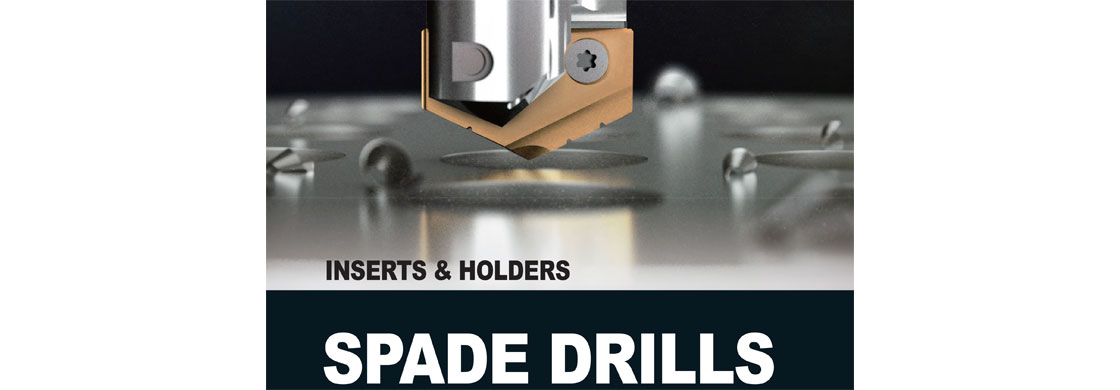
Browse I-DREAM, I-ONE and spade drill holders with their matching cutting components. For X-DRILL and the broader insert range, use the indexable tooling page. Match holder series, cutting diameter and replacement-tip or insert designation before ordering.
Prepare the Hole for Tapping
Select the drill diameter for the thread size and the chosen cutting or forming tap. Confirm the required full thread depth, drill-point allowance and chip clearance. Use the threading page to pair the prepared hole with the appropriate tap or thread mill.
YG-1 Drills: Selection Questions
- What does 3XD or 5XD mean on a drill?
- It describes a nominal working-depth class relative to the drill diameter. Check the actual usable drilling depth and tool dimensions, because flute length and overall length are separate measurements.
- Are all Dream Drills coolant-through tools?
- No. The range includes tools with and without coolant holes. Confirm the specific product configuration and the coolant requirements for the selected drilling process.
- What is the difference between M35 and M42 cobalt drills?
- The live categories identify M35 as HSS-Co5% and M42 as HSS-Co8%. Compare the complete tool specification, including flute form, coating and intended material; cobalt content alone does not select the correct drill.
- Are spotting drills and center drills interchangeable?
- They are designed for different tasks. A spotting drill prepares the location and entry for a subsequent drill; a center drill forms a center hole. Match the geometry to the operation and the next tool.
- Should I use a reamer to make the initial hole?
- A reamer normally finishes a pre-existing hole. Prepare the hole with the required allowance, then use the reamer's material-specific cutting and lubrication guidance.
- Can I use the same pre-drilled hole for a cutting tap and a form tap?
- Do not assume so. Forming taps displace material and generally require a different pre-tap hole size. Use the selected tap's published drill-size recommendation and required thread engagement.