 Follow
 @SuncoastTools
Follow
Follow @SuncoastTools




YG-1 Taps, Thread Mills & Threading Tools
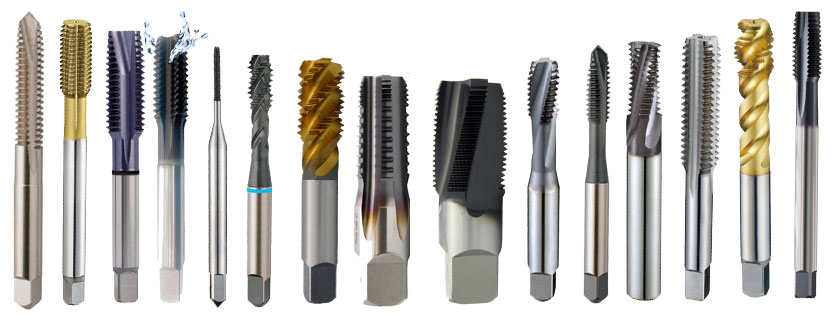
Shop YG-1 taps and thread mills for internal threading in CNC and general machining applications. Compare COMBO, PRIME and SYNCHRO taps, material-specific cutting taps, forming taps, pipe taps and STI taps. Match the thread standard, size, pitch, hole type and work material before selecting the tap geometry and coating.
COMBO Multi-Purpose Taps
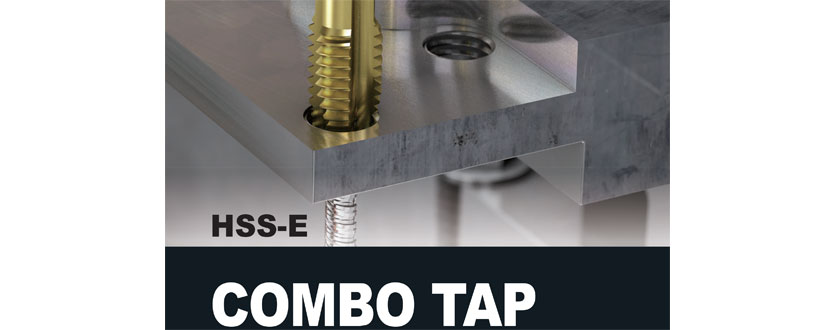
COMBO taps include multi-purpose HSS-E designs and a separate COMBO STAINLESS category for listed free-machining stainless applications. Compare spiral point and spiral flute configurations in the product specifications, along with chamfer and thread limit.
PRIME & SYNCHRO Taps
PRIME taps are listed as powdered metal tools with DIN length and ANSI shanks for multi-purpose use. SYNCHRO taps are intended for high-speed tapping on rigid CNC machines. Verify tool dimensions and the tapping cycle requirements for your machine.
Steel & Stainless Steel Taps
Browse BLUE RING, INOX and STEEL tap families for their specified work materials. The hardened-steel category offers another application-specific choice. Compare actual alloy, hardness, hole type and coating instead of assuming that all steel-oriented taps are interchangeable.
Aluminum, Cast Iron & Ti Ni Taps
ALU taps serve listed wrought-aluminum applications, while CAST IRON taps address cast iron and similar materials. Ti Ni tools target designated titanium and heat-resistant alloys. Choose the cutting geometry, substrate and treatment for the specific material.
Form Taps for Ductile Materials
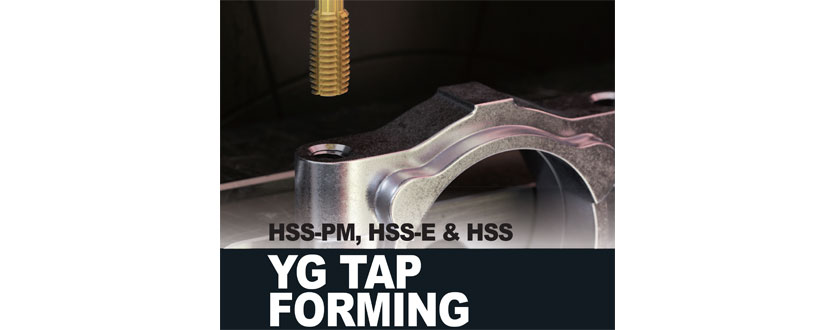
Forming taps create internal threads by displacing suitable ductile material without cutting chips. Select the HSS-E or powdered metal tool for the application, and use the required pre-tap hole size and lubrication for the exact series.
Pipe Taps, STI Taps & Thread Mills
Pipe taps produce the specified pipe thread form. STI taps cut receiving threads for screw thread inserts. Solid carbide thread mills offer a CNC milling process for internal threads. These tools serve distinct applications and require matching thread specifications.
Choose Chip Direction for the Hole
Spiral point taps generally push chips forward and suit through holes with adequate clearance. Spiral flute taps generally draw chips toward the shank for blind holes. Check the individual tap's hole-type recommendation, chamfer and available depth; specialized designs can differ.
Pair the Tap with Its Drill & Holder
Confirm the pre-tap hole diameter and depth, then check tap shank, square size and overall length against the holder. Review YG-1 drills, ER tap collets and tapping chucks to build the assembly. Match synchronized or compensating holder requirements to the machine and tapping cycle.
Thread Size, Limit & Chamfer Matter
Match inch or metric thread size, pitch and thread standard to the drawing. Then compare thread limit, chamfer length and required full thread depth. A bottoming chamfer can cut closer to the bottom of a blind hole, but the tip and chips still need clearance.
YG-1 Taps & Thread Mills: Selection Questions
- Which tap style is usually used for a through hole?
- A spiral point tap generally pushes chips ahead through the hole. Confirm the series recommendation and provide enough clearance beyond the exit for the lead and chips.
- Which tap style is usually used for a blind hole?
- A spiral flute tap generally carries chips back toward the shank. Match the chamfer, thread length and hole depth, and follow the specific tap's application guidance.
- When should I consider a form tap?
- Consider a form tap when the material is sufficiently ductile and compatible with the chosen series. The process requires the correct pre-tap hole diameter and lubrication and does not produce cutting chips.
- Are PRIME and SYNCHRO taps the same?
- No. PRIME is a multi-purpose powdered metal family with listed DIN-length/ANSI-shank dimensions. SYNCHRO is a separate family for rigid CNC high-speed tapping. Compare each tool's dimensions and application.
- What does STI mean?
- STI means screw thread insert. An STI tap produces the larger receiving thread for the specified insert system; it is not a substitute for a standard tap for the nominal screw thread.
- Can a thread mill be used in the same way as a tap?
- No. Thread milling uses a programmed milling path on a suitable CNC machine. Verify the thread form, cutter dimensions, bore clearance and programming requirements for the selected tool.