 Follow
 @SuncoastTools
Follow
Follow @SuncoastTools


Guhring Drills, Countersinks & Precision Holemaking Tools
Find Guhring drills and holemaking tools for preparing, drilling and finishing holes in CNC machining. Compare solid carbide and high speed steel options, coolant-fed drills, gun drills, micro drills and replaceable-tip systems. Choose the diameter, drilling depth, shank and work-material application, then check the selected tool's geometry and operating guidance in the interactive drilling catalog.
Solid Drills & Production Holemaking
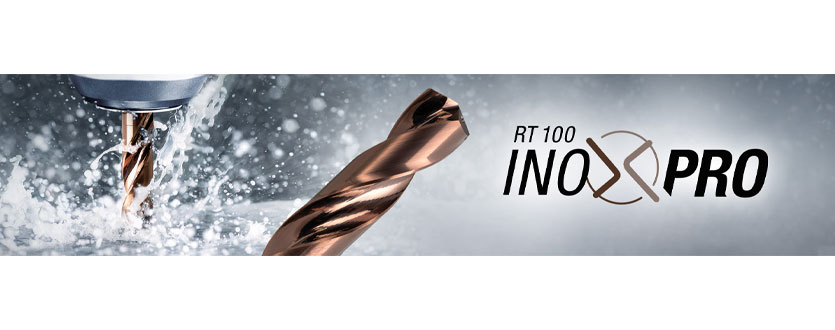
Browse Guhring drilling families for general machining and material-specific production. The holemaking selection includes coolant-fed designs and RT 100 options, including Inox Pro drills for stainless applications. Compare diameter, usable drilling depth, point design and coolant requirements; choose the exact series for the alloy and hole conditions.
Center Drills & NC Spot Drills
Center drills prepare center holes, while NC spot drills locate a hole or create a starting feature when the process calls for one. Select the point angle and geometry for the operation. Check the following drill's guidance before spotting, since some carbide drilling processes specify a direct start or a particular pilot arrangement.
SpyroTec Countersinks & Deburring
Compare SpyroTec three-flute countersinks and sets for the specified countersink or chamfer. The menu also includes deburring forks, mills and reamers for designated front, back and cross-hole operations. Check the included angle, access clearance and maximum working diameter against the feature you need to machine.
Coolant-Fed, Gun & Parabolic Drills
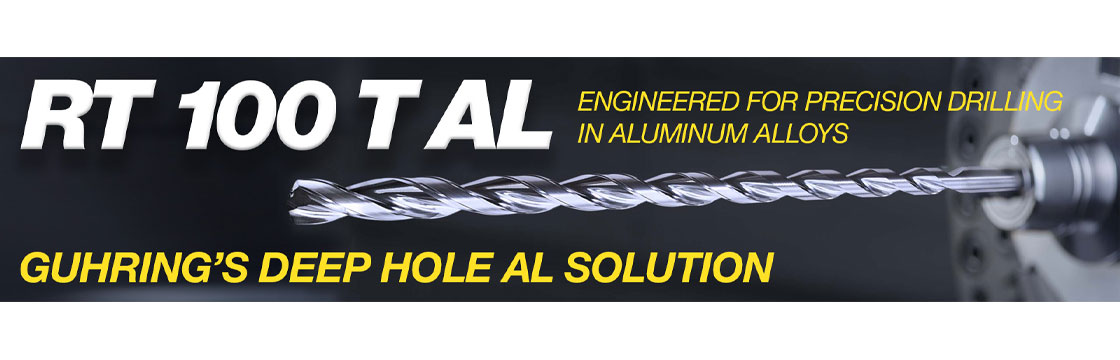
For deeper holes, tool guidance, coolant delivery and chip removal become central to the process. Compare coolant-fed drills, single-flute gun drills and parabolic-flute designs using the specified drilling depth and material. Follow the selected tool's pilot-hole, entry, feed and coolant instructions rather than applying one drilling cycle to every style.
Micro, Flat Bottom & Specialty Drills
Use micro-precision drills for small features and flat bottom drills where the required hole geometry calls for that design. Other categories include left-hand drills, straight-flute drills, Morse taper shank drills and tire-mold vent-hole drills. Confirm the cutting direction, shank connection, reach and application before choosing a specialty tool.
HT 800 WP Replaceable-Tip Drills
HT 800 WP systems combine a drill body with a replaceable cutting tip. Compare the body's supported diameter range and depth with the insert required for the work material. The menu separates bodies, insert geometries and replacement screws. Confirm the exact body-and-tip pairing, including any pilot-drill and countersink components.
Reamers for Finished Hole Size & Surface Quality
When the drawing requires a finished bore beyond the drilling operation, compare Guhring reamers by diameter, tolerance and application. Prepare the hole with the allowance specified for the reamer and material. Check alignment, holding and coolant conditions because they influence the finished bore as well as tool selection.
Match the Replaceable-Tip System & Depth
Suncoast lists HT 800 WP and RT 800 WP families separately, with body lengths and inserts grouped by system. Use the exact body series and supported insert range when replacing a tip. Check the required depth-to-diameter ratio and replacement screw specification; do not infer compatibility from a matching nominal cutting diameter.
Prepare the Hole for the Next Operation
Before drilling a threaded hole, establish the thread standard, pitch, engagement and tapping method. Cutting taps and forming taps require different prepared-hole calculations. Allow space for the tap lead and any chips in blind holes, and use the selected tap's recommendations to finalize the drill size and depth.
Guhring Drills & Holemaking Tools: Selection Questions
- How do I choose between a solid drill and a replaceable-tip drill?
- Compare the required diameter and depth, work material, machine rigidity and coolant supply. Solid drills and replaceable-tip systems serve different size and process requirements; select the series based on the application and supported dimensions.
- What does a drilling depth such as 5xD mean?
- It describes a drilling-depth relationship to the tool diameter. Review the catalog drawing and usable-depth specification for the particular drill; overall tool length and flute length are not interchangeable with usable drilling depth.
- Does every Guhring drill need a spot or pilot hole?
- No. Entry requirements depend on the drill design and the workpiece surface. Follow the selected series' guidance for spotting, pilot drilling and entry conditions, especially for deep-hole and gun-drilling operations.
- Can a flat bottom drill replace a standard twist drill?
- Only when its listed application and geometry suit the operation. Check whether the tool is intended for drilling from solid, finishing an existing hole or another specified task, as well as the material and entry conditions.
- How do I order the correct HT 800 WP replacement insert?
- Identify the body series and size, its supported insert diameter range, the work material and the recommended insert geometry. Also confirm the clamping screw and assembly instructions for that exact combination.
- Where can I find Guhring reamers and drill dimensions?
- Use the linked Guhring reamer category for hole-finishing tools and the interactive drilling catalog for covered drill dimensions and applications. Confirm the final dimensions on the individual product before ordering.